Tuesday, 17 October 2023

FLAT ROOF VS. SLOPED ROOF: FIGURE OUT THE BEST ROOFING IDEA FOR YOU


So, you have decided to update the roofing style of your home. Well, it’s not as simple as you think! Several considerations are to be made here. Generally, you have two options for roofing ideas– sloped and flat. Of course, you would like to dive insight into each roofing type before final decision-making. And if you need some help to ideate that, we are here for you with today’s blog that may help you guess the best one for your home.

Flat or Sloped Roof: Which Roofing Idea Will Work Best for Your Home?

Both sloped and flat roof styles look great at home. But while deciding on a roofing design, you can’t just consider the roof but functionality beyond that. And for that, you need to look over those elements essential in a new roof. 

We have shared here a comparison between the flat and sloped roof to understand that:

How much space do you have in your interior?

When you are in the middle of debating whether to choose a sloped roof or a flat one, take a glance inside your building. If you want to extend your interior space and utilize it, go for the flat roof over a sloped roof. It frees up the space to add open shelves while allowing the use of the entire vertical space. 

What about roof longevity?

Research shows that a sloped roof lasts longer than a flat one for a wider range of materials. And the use of those materials during roofing is not only for creating the slope design but the shingles, wood shingles, and concrete. On the other hand, the slant in the sloped roof makes the roof more durable than a flat roof style. This feature offers better protection against water, snow, and ice, like an immediate shedding off.  

Compare the roof size:

Practically, if you see, a sloped roof is not a perfect fit for larger homes. Or else you may have to design the roof either like a series of peaks and valleys or only one tall peak. And none of these look very stunning! Instead, consider a flat roof while having a bigger home and a sloped roof for smaller homes.  Besides, sloped roofs are more affordable than flat roofs, but the latter works excellent with solar panels. If you want to know more about these roofing ideas, view our previous projects on Yelp. Stay in touch!


Are you ready to transform your home, but uncertain about the roofing style that suits your needs? At MDM Custom Remodeling, we're not just expertbathroom contractors in Los Angeles; we're your trusted remodeling advisors for every aspect of your home. When it comes to roofing, the choice between a flat roof and a sloped roof is a crucial decision that impacts your property's aesthetics, functionality, and overall value. With our guidance and expertise, we'll help you navigate this choice, ensuring that your roofing project aligns perfectly with your vision and the unique requirements of your Los Angeles home. Whether you're leaning towards the modern versatility of a flat roof or the timeless charm of a sloped roof, MDM Custom Remodeling has the knowledge and experience to bring your roofing ideas to life. Explore the possibilities, and let's make your dream home a reality.

Thursday, 12 October 2023

How to Use a Color Wheel for Interior Design - MDM Custom Remodeling

When it comes to interior design, color plays a pivotal role in setting the mood, creating harmony, and making a statement in your space. One valuable tool that interior designers swear by is the color wheel. Whether you're embarking on a major home renovation or simply looking to refresh a room, understanding how to use a color wheel can be your secret weapon to achieving the perfect color palette. In this guide by MDM Custom Remodeling, we'll explore the basics of using a color wheel for interior design, empowering you to transform your home with confidence and style.


The Color Wheel Demystified:

The color wheel is a visual representation of the color spectrum, organizing colors in a circle to illustrate their relationships. It's divided into primary, secondary, and tertiary colors, each serving a unique purpose in the world of design.

Primary Colors: These are the building blocks of the color wheel and include red, blue, and yellow. You can't create primary colors by mixing other colors.

Secondary Colors: Secondary colors result from mixing two primary colors. They include green (blue + yellow), orange (red + yellow), and purple (red + blue).

Tertiary Colors: Tertiary colors are created by mixing a primary color with a neighboring secondary color. Examples are red-orange and yellow-green.


Using the Color Wheel in Interior Design:

Now that we've dissected the color wheel let's explore how to leverage it for your interior design projects:

1. Color Harmony: The color wheel helps you identify color harmonies. Complementary colors (those opposite each other on the wheel) create vibrant contrasts, while analogous colors (those next to each other) offer a harmonious blend. Triadic color schemes (equally spaced colors) bring balance and energy.

2. Establishing a Mood: Colors evoke emotions. Warm colors like reds and oranges create coziness and energy, perfect for living areas. Cool blues and greens bring calmness, ideal for bedrooms and bathrooms.

3. Balance and Contrast: A well-balanced room considers the 60-30-10 rule. One dominant color covers about 60% of the space, a secondary color 30%, and an accent color 10%, creating visual interest.

4. Accentuate with Neutrals: Neutrals like whites, grays, and beiges provide a canvas for bolder colors to shine. They're versatile and timeless.

5. Testing Colors: Most importantly, the color wheel guides your choice of paint, furniture, decor, and textiles. It's a roadmap for creating a cohesive, aesthetically pleasing environment.

The color wheel is your compass in the vast world of interior design. It's a tool that unlocks endless possibilities, allowing you to play with color combinations, set the mood, and create a space that truly reflects your style. So, whether you're planning a complete home makeover or just want to refresh a room, don't forget to consult the color wheel. At MDM Custom Remodeling, we understand the transformative power of color, and we're here to help you turn your design dreams into reality. Happy decorating!


How To Use A Color Wheel? - MDM Custom Remodeling

Color plays a pivotal role in home design, and understanding how to use a color wheel can be your secret weapon in achieving a harmonious and visually appealing living space. At MDM Custom Remodeling, we know that selecting the perfect color scheme for your home can be a daunting task. But fear not, we're here to guide you through the process and show you how to use a color wheel effectively.

1. Familiarize Yourself with the Basics:

Before you dive into the world of color, it's essential to know the basics. The color wheel consists of primary colors (red, blue, and yellow), secondary colors (green, orange, and purple), and tertiary colors (red-orange, yellow-green, etc.). Understanding this foundation is key to mastering color combinations.

2. Complementary Colors:

Complementary colors are located opposite each other on the color wheel. When paired, they create a striking contrast. For instance, blue and orange or red and green are complementary. Use them to add a pop of color in your design.

3. Analogous Colors:

Analogous colors are adjacent to each other on the color wheel. They create a harmonious and calming effect. Consider using shades of blue, green, and yellow for a serene interior.

4. Triadic Colors:

Triadic colors are evenly spaced around the color wheel, creating a vibrant and balanced look. For instance, yellow, blue, and red can form an energetic trio in your home design.

5. Monochromatic Colors:

Monochromatic color schemes involve variations in lightness and saturation within a single color. This creates a clean and sophisticated aesthetic. For example, different shades of blue can provide depth and tranquility.

6. Mood Matters:

Consider the mood you want to convey. Warm colors like red and yellow are associated with energy and coziness, while cool colors like blue and green evoke calmness. Choose your color scheme to align with the atmosphere you desire.

7. Test Samples:

Always test your color choices with paint or fabric samples in the actual space. Natural and artificial lighting can affect how colors appear. Testing ensures your chosen colors work well together in your home's specific environment.

Using a color wheel effectively is the key to achieving a cohesive and visually pleasing home design. At MDM Custom Remodeling, we understand the importance of selecting the right color scheme for your space. Whether you're renovating your kitchen, bathroom, or any other area of your home, a well-thought-out color palette can transform the entire look and feel. So, embrace the world of color and let your living space reflect your unique style and personality.


How To Use A Color Wheel To Create A Color Scheme?

Choosing the right color scheme is a fundamental step in any home remodeling project. It can set the tone for your entire space, creating a harmonious and inviting atmosphere. But where do you start? That's where a trusty tool like the color wheel comes in. At MDM Custom Remodeling, we're here to guide you through the process of using a color wheel to create the perfect color scheme for your home.

Understanding the Basics:

The color wheel is a visual representation of how colors relate to one another. It's typically divided into 12 hues, and these hues are further categorized into three primary groups: warm colors (reds, oranges, yellows), cool colors (blues, greens, purples), and neutrals (whites, grays, browns, blacks). By understanding these fundamental relationships, you can craft a color scheme that's visually pleasing and balanced.

The Monochromatic Scheme:

If you're seeking a safe and elegant color scheme, monochromatic might be the way to go. In this approach, you choose a single base color and then use variations in saturation and brightness to create a cohesive look. For example, you could select a soothing blue and then use lighter and darker shades of blue throughout your space. This creates a serene and harmonious ambiance, making it ideal for bedrooms and bathrooms.

The Analogous Scheme:

Analogous color schemes take adjacent colors on the color wheel. These colors share a similar undertone, creating a sense of unity. An example would be combining green, yellow, and yellow-green. It's a scheme that feels balanced and pleasing to the eye. It works well in living rooms and kitchens, where you want a comfortable and inviting atmosphere.

The Complementary Scheme:

For those who want a more vibrant and dynamic look, the complementary scheme is the way to go. This involves choosing colors that are directly opposite each other on the color wheel, like blue and orange or red and green. The contrast is bold and exciting. This scheme is often used in areas where you want to make a statement, like a dining room or home office.

The Triadic Scheme:

If you're looking for a balanced yet diverse color scheme, consider the triadic approach. This involves selecting three colors that are equally spaced around the color wheel. For instance, you could choose red, yellow, and blue. When done right, this scheme provides visual interest and energy. It's often used in children's rooms or play areas.

The Split-Complementary Scheme:

This scheme offers a twist on the complementary approach. Instead of using the direct opposite color, you choose two adjacent colors to the complementary color. Let's say you go for blue as your base color; your complementary colors could be orange and yellow. This scheme provides contrast and variety while maintaining balance.

Applying Your Color Scheme:

Once you've chosen your color scheme, it's time to apply it to your remodeling project. Consider how each color will be used, from the walls and furniture to accessories and accents. Remember that color can affect the perceived size of a room, its mood, and its functionality.

At MDM Custom Remodeling, we understand the importance of color in your home. It's a powerful tool that can transform your space and reflect your personality. If you need assistance with your home remodeling project, from choosing the perfect color scheme to executing it flawlessly, we're here to make your vision a reality. With the right colors and a professional touch, your home will become a work of art.


What Colors Go Well Together In Rooms? - Expert Tips from MDM Custom Remodeling

When it comes to designing the interior of your home, choosing the right color combinations can make all the difference. At MDM Custom Remodeling, we understand that harmonious color schemes can transform a room from ordinary to extraordinary. Here, we offer expert insights into what colors go well together in rooms, helping you create spaces that are not only visually appealing but also conducive to your desired ambiance.

1. The Timeless Elegance of Neutral Tones:

Neutrals like soft beige, warm gray, and ivory serve as versatile foundations for any room. They create a sense of calm and offer a perfect backdrop for introducing bolder accents.

2. Complementary Color Pairs:

For an invigorating contrast, consider complementary color pairs like blue and orange or purple and yellow. These opposing colors create a dynamic visual impact.

3. The Tranquility of Analogous Colors:

Analogous colors sit beside each other on the color wheel, such as green and blue. They promote a sense of harmony and work well in bedrooms, bathrooms, and living spaces where relaxation is key.

4. Monochromatic Elegance:

Monochromatic rooms feature shades and tints of a single color. This approach is simple, yet sophisticated and provides a calming effect.

5. The Power of the 60-30-10 Rule:

This guideline suggests allocating 60% of a room to a dominant color, 30% to a secondary color, and 10% to an accent color. It's a great way to balance colors within a space.

6. The Role of Natural Light:

Consider the room's exposure to natural light. North-facing rooms tend to benefit from warmer colors, while south-facing rooms can handle cooler hues.

7. Testing Samples:

Before committing to a full room transformation, test paint samples on your walls. Lighting and surroundings can influence how colors appear.

8. The Psychology of Color:

Understand the psychological impact of colors. For example, blues and greens are calming, while reds and yellows are energizing.

9. White as an Accent:

White can serve as a versatile accent color, creating contrast and providing a fresh, clean look.

10. Consider Your Personal Style:

Ultimately, the colors you choose should reflect your personality and the ambiance you want to create. Your home is a canvas for self-expression.

Selecting the right color combinations for your rooms is a creative and rewarding process. At MDM Custom Remodeling, we believe that the colors you choose should reflect your unique style and create an atmosphere that resonates with you. Whether you opt for timeless neutrals, dynamic complementary colors, or harmonious analogues, the art of combining colors is a powerful tool in interior design. Experiment, have fun, and transform your living spaces into a true reflection of your personal taste and style.


What's The Difference Between Hue, Tint, And Shade? - MDM Custom Remodeling

Colors play a pivotal role in the world of interior design and remodeling. They set the mood, create ambiance, and define the personality of a space. Yet, when it comes to choosing the right colors, understanding the distinctions between hue, tint, and shade is essential. At MDM Custom Remodeling, we're here to demystify these color concepts to help you transform your living space with confidence.

Hue - The Foundation of Color:

Hue is the term that defines a pure color in its most basic form. It's what we commonly refer to as the color itself, such as red, blue, or yellow. In a color wheel, every hue is equidistant from one another, creating a harmonious spectrum. When choosing a color for your remodeling project, you're essentially selecting a hue as your starting point.

Tint - The Lighter Side of Color:

Tint refers to a color that has been lightened by adding white to it. This process creates a paler, softer version of the original hue. Tints are perfect for creating a sense of airiness and brightness in a room. For instance, if you take the hue blue and add white to it, you get various tints of light blue. Tints can make a small space feel more open and inviting.

Shade - The Darker Side of Color:

On the flip side, shade is a color that's been darkened by adding black to it. This deepens the color, making it richer and more dramatic. Shades are excellent for creating cozy, intimate atmospheres in larger rooms or spaces with abundant natural light. For example, taking the hue red and adding black to it produces various shades of deep red or maroon.

Practical Applications in Remodeling:

Understanding these distinctions is crucial when remodeling your space. The choice of hue sets the overall color scheme, while the use of tints and shades creates contrast and dimension. A well-balanced combination of these elements can turn a room into a work of art. Lighter tints can be used for walls and ceilings to open up space, while darker shades can add depth and coziness to specific areas, like an accent wall or the back of built-in shelves.

In your remodeling project, consider the mood and atmosphere you want to evoke. Do you envision a bright and airy kitchen, a cozy and moody living room, or a harmonious blend throughout your home? The differences between hue, tint, and shade empower you to make the right color choices that align with your vision.

At MDM Custom Remodeling, we know that selecting the perfect color scheme is an integral part of the remodeling process. It's a choice that goes beyond aesthetics; it impacts the way you experience your living space daily. Whether you're planning a full home renovation or a simple room makeover, we're here to help you create a space that resonates with your unique style and preferences. Let's bring your remodeling vision to life with the perfect hues, tints, and shades that reflect your individuality and transform your home into a masterpiece of design and color.

Thursday, 21 September 2023

60 Kitchen Decor and Decorating Ideas - MDM Custom Remodeling (Part - 1)

Presented by MDM Custom Remodeling

Your kitchen is more than just a place to cook; it's the heart of your home, a space where memories are made, and culinary creations come to life. At MDM Custom Remodeling, we understand the importance of creating a kitchen that not only serves as a functional space but also reflects your unique style and personality. Whether you're planning a full kitchen remodel or simply looking to refresh your kitchen decor, we've got you covered with 60 inspiring kitchen decor and decorating ideas.


1. Use yellow to bring in warmth and positivity

Incorporating yellow into your kitchen decor can infuse the space with a sense of warmth and positivity. This sunny hue is known for its ability to uplift spirits and create a cheerful ambiance. Consider painting your kitchen cabinets or walls in a soft buttery yellow or using yellow accents like curtains, dishware, or even a vibrant backsplash. Yellow pairs beautifully with various colors, making it a versatile choice for any kitchen style, from farmhouse chic to modern minimalist. Whether it's a subtle hint or a bold statement, the color yellow has the power to transform your kitchen into a welcoming and radiant space, perfect for family gatherings and culinary adventures.


2. Increase Joy of Living By Adding A French Country Kitchen

Embrace the timeless charm of a French country kitchen to infuse your home with warmth and elegance. Incorporate rustic elements such as exposed wooden beams, distressed furniture, and open shelving to achieve that cozy, lived-in look. Opt for a soft color palette featuring shades of cream, pastel blues, and earthy tones to create a welcoming ambiance.

French country kitchens often boast a central farmhouse-style table, perfect for family gatherings and casual dining. To enhance the countryside atmosphere, consider adding a vintage chandelier or wrought-iron pendant lights. Open up your kitchen with large windows to invite natural light and showcase the picturesque outdoor views.

Complete the look with antique-inspired kitchenware, porcelain dishes, and floral textiles. A French country kitchen is not just a place to cook; it's a celebration of the art of living and savoring life's simple pleasures. Let MDM Custom Remodeling guide you in bringing this delightful aesthetic to your kitchen, where every day feels like a charming countryside escape.


3. Make the ceiling more interesting.

Often overlooked, the ceiling presents an opportunity to add character and depth to your kitchen. Consider unique ceiling treatments such as exposed wooden beams, beadboard paneling, or a bold paint color that complements your kitchen's theme. Pendant lights or chandeliers can draw the eye upward and create a stunning focal point. For a touch of luxury, try a coffered ceiling with elegant molding. Adding texture or a pop of color to the ceiling can transform the overall look and feel of your kitchen, making it a truly standout space.

Stay tuned for more inspiring kitchen decor ideas from MDM Custom Remodeling as we explore ways to elevate your kitchen's aesthetics and functionality.


4. Suspend storage high

Maximizing vertical space is a clever kitchen design strategy. Consider hanging your pots, pans, and even utensils from above. A stylish pot rack can become a striking focal point while also freeing up cabinet and drawer space. Additionally, floating shelves installed high on the walls can showcase your favorite dishes, adding both storage and a decorative touch. When done right, suspended storage can give your kitchen an open and airy feel, making it seem more spacious and organized.

At MDM Custom Remodeling, we specialize in creating kitchens that are not only aesthetically pleasing but also highly functional. Whether you're looking to make small updates or embark on a complete kitchen renovation, our team is here to bring your vision to life. Stay tuned for more inspiring ideas to elevate your kitchen space.


5. Take Into Account A Sleek Backsplash

Your kitchen backsplash is more than just a protective barrier; it's a canvas for creativity. Opt for sleek and modern materials like subway tiles for a timeless look, or experiment with bold patterns and colors to make a statement. Consider using materials like glass, metal, or natural stone for added texture and personality. A well-chosen backsplash can tie your kitchen's decor together and provide an easy-to-clean surface.

Whether you prefer a minimalist aesthetic or want to infuse your kitchen with vibrant personality, MDM Custom Remodeling has the expertise to bring your vision to life. Our team of professionals can guide you through the process of selecting the perfect backsplash material that complements your overall design while ensuring it's functional and easy to maintain.


6. Make It Visible

Maximize the visual impact of your kitchen by incorporating open shelving. Remove cabinet doors to expose your beautiful dishware, glassware, and cookware. This not only adds a touch of elegance but also encourages organization. Consider color-coding your items or arranging them by size to create an organized and visually pleasing display. Open shelving also allows for easy access to essentials, making your kitchen both practical and stylish. If you have a collection of colorful dishes or vintage cookware, open shelving is the perfect way to showcase these treasures. Additionally, you can adorn your shelves with decorative elements like potted herbs, small artworks, or sleek kitchen gadgets to infuse personality into your space. Open shelving offers endless opportunities for creativity and personalization in your kitchen decor.


7. Make Use Of The Space's Dimensions

Maximizing your kitchen's dimensions is essential for efficient use of space. Consider installing tall cabinets that reach the ceiling to capitalize on vertical storage. Pull-out pantry shelves can make the most of narrow spaces and keep your pantry organized. If you have a small kitchen, utilize compact appliances or built-in options to save space without sacrificing functionality. Don't forget about the often-overlooked toe-kick space beneath cabinets – it can be turned into a clever storage drawer. Also, consider open shelving to display decorative items and keep frequently used items within easy reach. By optimizing every inch of your kitchen, you can create a functional and visually appealing space that suits your lifestyle.


8. Purchase Stylish Seating

Your kitchen isn't just for cooking; it's also a gathering place for family and friends. Invest in stylish seating options that not only provide comfort but also elevate your kitchen's aesthetic. Consider trendy bar stools for your island or a cozy breakfast nook with plush cushions. The choice of seating can make a significant impact on your kitchen's overall look and feel.

Whether you prefer a modern, minimalist vibe or a rustic, farmhouse charm, the right seating choices can tie your decor together. Mix and match different styles or go for a cohesive look with matching chairs. Don't forget to add a personal touch with colorful cushions or upholstery that complements your kitchen's color scheme.


9. Design A Characteristic Kitchen Decor Plan

Designing a characteristic kitchen that truly reflects your personality starts with a well-thought-out decor plan. Begin by choosing a theme or style that resonates with you, whether it's rustic, modern, farmhouse, or something entirely unique.

Consider the color palette carefully; warm, earthy tones create a cozy ambiance, while vibrant colors can add a playful touch. Don't forget the power of neutrals for timeless elegance.

Incorporate open shelving to display your favorite dishes or cookware, adding both functionality and visual appeal. Personalize your space with unique backsplash tiles or a statement lighting fixture that becomes the focal point of the room.

Accessorize thoughtfully with decorative items that have a personal meaning, such as family heirlooms or travel souvenirs. Finally, invest in quality, comfortable seating to create a cozy spot for family and friends to gather.

Remember, your kitchen decor plan should reflect your lifestyle and make your kitchen a place where you love to spend time, cook, and create cherished memories. With MDM Custom Remodeling, you can turn your dream kitchen decor into a reality.


10. Update Country Kitchens With Dark Shades

Country kitchens exude warmth and charm, and a simple update with darker shades can add a touch of modern sophistication. Consider painting your cabinets or island in deep navy, forest green, or rich charcoal gray. These dark hues create a stunning contrast with rustic elements like wooden beams or open shelving, balancing tradition with contemporary design.

To complement the new color scheme, opt for matte black or oil-rubbed bronze hardware for a cohesive look. Enhance the cozy ambiance with pendant lighting and vintage-inspired fixtures. The result? A country kitchen that feels both timeless and fresh, inviting you to create delicious meals while savoring the beauty of your space.


Conclusion

With these 60 kitchen decor and decorating ideas, you now have a treasure trove of inspiration to elevate your kitchen's aesthetics and functionality. Whether you prefer a classic, timeless look or a bold, contemporary design, there's something here for everyone. The kitchen is a canvas for your creativity, and every element, from the color of the walls to the arrangement of shelves, plays a part in shaping the atmosphere.

Stay tuned for the next part of our kitchen decor series, where we'll delve deeper into specific design styles, materials, and renovation tips to help you bring your dream kitchen to life. At MDM Custom Remodeling, we're dedicated to turning your vision into reality. Your dream kitchen is just a step away, and we're here to guide you on this exciting journey of transformation.

Wednesday, 13 September 2023

Best Indoor Plants – 10 Top Plants to Grow at Home, Presented by MDM Custom Remodeling

Indoor plants not only add a touch of greenery to your living space but also offer a myriad of benefits, from improving air quality to boosting your mood. If you're considering introducing some green companions into your home, you're in for a treat. In this guide, we've curated a list of the top 10 indoor plants that are not only beautiful but also relatively easy to care for, making them perfect for both novice and experienced plant enthusiasts.


1. Snake Plant (Sansevieria trifasciata): The Snake Plant, also known as the mother-in-law's tongue, is a robust and versatile indoor plant. It's known for its striking upright leaves with variegated patterns. One of its standout features is its ability to purify the air by removing toxins, making it an excellent choice for improving indoor air quality. Snake plants are low-maintenance and thrive in low light conditions, making them an ideal choice for beginners.


2. Peace Lily (Spathiphyllum): Peace lilies are beloved for their elegant, white, hood-like blooms that resemble a white flag of peace, giving them their name. These plants are not only aesthetically pleasing but also effective at purifying indoor air by removing common pollutants. They prefer moderate to low light conditions and thrive in consistently moist soil.


3. Fiddle Leaf Fig (Ficus lyrata): Fiddle Leaf Fig is a popular choice among plant enthusiasts and interior designers. Its large, violin-shaped leaves add a touch of drama to any space. These plants require bright, indirect light and a well-draining soil mix. Proper care can help this beauty thrive indoors.


4. Pothos (Epipremnum aureum): Pothos, with its heart-shaped leaves and trailing vines, is an adaptable and low-maintenance plant. It can thrive in various lighting conditions, from low light to bright, indirect light. Regular pruning can help control its growth and maintain its lush appearance.


5. Spider Plant (Chlorophytum comosum): Spider plants are popular for their air-purifying qualities and arching green and white-striped leaves. They are known to be easy to grow and resilient, making them suitable for beginners. These plants do well in indirect light and prefer evenly moist soil.


6. ZZ Plant (Zamioculcas zamiifolia): ZZ plants are often dubbed "unkillable" due to their exceptional resilience. They can thrive in low light conditions and are drought-tolerant, requiring minimal watering. Their glossy, dark green leaves add an elegant touch to any room.


7. Rubber Plant (Ficus elastica): Rubber plants feature large, dark green leaves and upright growth, making them a visually appealing addition to interiors. They prefer bright, indirect light and consistent moisture levels in the soil. With proper care, rubber plants can grow to impressive heights.


8. Aloe Vera (Aloe barbadensis miller): Aloe vera is a unique indoor plant known for its soothing properties. The gel inside its succulent leaves has various medicinal uses, particularly for skin conditions. Aloe vera prefers bright, indirect sunlight and well-draining soil.


9. Lavender (Lavandula): Lavender is cherished for its fragrant blooms and calming aroma. While it's more commonly grown outdoors, it can thrive indoors in sunny spots. Lavender requires well-draining soil and moderate watering.


10. Monstera (Monstera deliciosa): The Monstera is famous for its large, split leaves and unique appearance. It prefers bright, indirect light and moderate humidity. With the right conditions, this plant can grow impressively large and make a bold statement in your home.

When incorporating these indoor plants into your home, consider their specific care requirements, including light, water, and humidity. With the right attention, you can enjoy the beauty and benefits of these plants while creating a harmonious and refreshing atmosphere in your living space.

At MDM Custom Remodeling, we understand the importance of creating a home environment that suits your lifestyle and preferences. Whether it's designing a space to accommodate your growing plant collection or any other remodeling project, we're here to transform your vision into reality.

Disclaimer: While indoor plants can be a wonderful addition to your home, please be aware that some plants may be toxic to pets if ingested. Keep this in mind when choosing your indoor plants, especially if you have furry friends at home.

Remember, a beautifully designed living space complements the natural beauty of indoor plants. If you're considering a home renovation or remodeling project, contact us at MDM Custom Remodeling, and let's discuss how we can bring your dream space to life.


Thursday, 31 August 2023

How can MDM Custom Remodeling bring new life to your space with room additions and renovations in Los Angeles?

Enhancing Your Living Space: MDM Custom Remodeling's Expert Room Additions and Renovations in Los Angeles

Are you yearning for more space in your home, a place where your dreams can unfold? Look no further than MDM Custom Remodeling, your trusted partner in revitalizing your living space through innovative room additions and renovations in the vibrant city of Los Angeles.

1. Expanding Horizons:

Imagine having that extra room you've always wanted – a cozy study bathed in natural light, a spacious playroom for the kids, or even an exquisite guest suite. MDM Custom Remodeling can bring your vision to life, crafting new spaces that seamlessly integrate with your existing home.

2. Seamless Integration:

Worried that an addition might look out of place? MDM Custom Remodeling specializes in creating additions that blend harmoniously with your home's architecture, creating a cohesive and inviting ambiance.

3. Tailored to You:

Every family is unique, and your living space should reflect that. MDM Custom Remodeling works closely with you to understand your needs, preferences, and aspirations. Whether it's a modern aesthetic or a timeless charm you seek, their team crafts solutions that resonate with your lifestyle.

4. Maximizing Functionality:

It's not just about adding more space; it's about optimizing it. MDM Custom Remodeling ensures that your new room additions aren't just visually pleasing but also enhance the functionality of your home.

5. Value Addition:

Investing in your home's expansion isn't just about personal satisfaction; it's a smart financial move. MDM Custom Remodeling's skillful craftsmanship not only elevates your living experience but also adds value to your property.

6. Efficient Project Management:

Embarking on a home renovation project can be daunting, but MDM Custom Remodeling's experienced team makes the process seamless. From concept to completion, their experts handle every detail, ensuring your peace of mind.

7. Transformative Renovations:

Beyond room additions, MDM Custom Remodeling specializes in transformative renovations. From breathing new life into your kitchen to revitalizing your bathroom oasis, their expertise encompasses every corner of your home.

8. Transparent Process:

MDM Custom Remodeling believes in transparency. They keep you informed throughout the process, making sure you're aware of every step, from initial designs to final touches.

9. A Green Touch:

Conscious of the environment, MDM Custom Remodeling incorporates sustainable practices into their projects, allowing you to create a space that's not just beautiful but eco-friendly as well.

10. Your Dreams, Their Mission:

At MDM Custom Remodeling, it's not just about construction; it's about fulfilling dreams. They take your aspirations seriously and are committed to delivering results that exceed your expectations.

In a bustling city like Los Angeles, where space is a luxury, MDM Custom Remodeling brings you a golden opportunity to redefine your living space. With their expertise, innovation, and dedication to your vision, they're your partners in breathing new life into your home, one thoughtful addition and renovation at a time.

Read More: A HOME RENOVATION PROJECT CHECKLIST

Tuesday, 22 August 2023

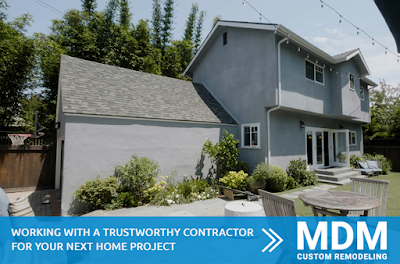
WORKING WITH A TRUSTWORTHY CONTRACTOR FOR YOUR NEXT HOME PROJECT | MDM Custom Remodeling

home remodeling contractors los angeles

Choosing the appropriate contractor is one of the most crucial choices you'll have to make while organizing a home renovation job. It can be difficult to find a reliable contractor, especially if you're unfamiliar with the field. The very last thing you need is to work with a contractor who takes short cuts or abandons the job unfinished. In this post, we'll offer some practical advice on how to choose a reliable contractor for your upcoming home improvement.

Determine your project needs: Before you begin looking for a contractor, it's vital to ascertain the needs of your project. This comprises the project's scope, the resources you want to utilize, and your financial constraints. Prioritize your list of the exact features or improvements you wish to make to your house. This will make it easier for you to explain your requirements to potential contractors and guarantee that you get accurate quotes. Be reasonable with your spending and remember to account for extra fees like licenses and unforeseen costs. You'll be better able to identify a contractor that can satisfy your objectives if you are clear on the requirements of your project and your financial constraints. Consider Sarah's kitchen renovation project:

The moment has come for Sarah and her husband to update their outmoded kitchen. Although they have a basic notion of what they hope to achieve with the project, they must first identify their precise demands in order to begin looking for a contractor. They first talk about the features they must have in the new kitchen. While her husband prefers more counter space and contemporary appliances, Sarah loves to cook and wants a larger stove and a more practical arrangement. The cabinets, flooring, and lighting will also be updated. They then look up various kitchen designs and styles to acquire ideas for their undertaking. They develop a list of the precise characteristics they wish to have in their new kitchen and save images of the kitchens they prefer.

They established a project budget after deciding on their preferences and project goals. They settle on a ceiling spending limit of $40,000, which covers the price of supplies, labor, and any unforeseen costs.They visit home improvement stores to gather prices for the materials they intend to utilize in order to gain a better understanding of the project's cost. To make sure their budget is reasonable, they also look into how much comparable kitchen renovations in their neighborhood cost. Finally, they make a list of the characteristics they wish to have in their new kitchen in order of importance, starting with the things they absolutely must have. They will be better able to express their needs to potential contractors and guarantee that they get accurate quotations as a result. Sarah and her husband are able to begin their search for a contractor with a clear sense of what they want to achieve with their kitchen remodeling project by taking the time to assess their project needs, budget, and objectives.

Ask for referrals: One of the best methods to find a reliable contractor is through word of mouth. Obtain recommendations for contractors from friends, relatives, and neighbors who have used them in the past. You can also ask for recommendations from other professional groups or your local home builders' association. Always enquire about the contractor's job quality, communication abilities, and dependability when seeking referrals. Asking to inspect the finished work of the recommended contractors is another smart move. You may get a sense of their style and level of proficiency from this. By getting referrals from reliable sources, you may focus your search for a contractor and feel secure in your decision.

Sarah and her husband start requesting recommendations for contractors who specialize in kitchen remodels with their project objectives and budget in mind. They ask their friends and relatives who have recently renovated their kitchens about their experiences working with their contractors. A contractor who recently completed a kitchen remodeling job for one of Sarah's coworkers comes highly recommended. She posts pictures of the completed kitchen and compliments the contractor for his attention to detail and effective communication. Sarah and her husband contact the contractor to set up a consultation since they are confidence in the advice. They talk about their project needs and budget during the consultation, and the contractor gives them a project estimate. Before making a decision, Sarah and her husband decide to speak with a couple more contractors. They look online for reputable local kitchen remodeling companies and request more recommendations from their home builders' organization. They ultimately decide to hire the contractor suggested by Sarah's coworker after getting several estimates and visiting with various contractors. They believe the contractor possesses the knowledge, interpersonal abilities, and attention to detail they are seeking for and that the needs of their project and the contractor's talents are a good fit. Sarah and her husband are able to identify a reliable contractor for their kitchen remodeling Project by getting referrals from reliable sources and scheduling meetings with many providers.

Meet in person with the contractor: Before engaging a contractor, it is crucial to have a face-to-face meeting with them. This will give you the chance to go over your project in great depth and gauge their professionalism and communication skills. Ask the contractor about their past experience with comparable projects, their availability, and their approach to the project during the meeting. Make sure to express your project's requirements and budget in a clear manner and to ask any procedure-related queries you may have. Both a thorough quote for the project and references from prior customers have to be available from the contractor. During the meeting, pay attention to the contractor's communication methods and general manner. You want to collaborate with a professional who is communicative, receptive, and responsive. You should be able to tell after meeting with several contractors who you feel most at ease working with and who is the best fit for your project's requirements. Sarah and her husband planned a face-to-face meeting with the contractor to go through the specifics of their project requirements and objectives. They reviewed the details of the project, such as the materials they intended to employ and their projected completion date, at the meeting while also reviewing the blueprints they had developed with their designer. Throughout the meeting, the contractor shown professionalism, communication skills, and attention to detail. He gave them thoughtful criticism and suggestions after taking the time to carefully consider their ideas. He also gave them a thorough estimate that fit their spending plan. Sarah and her husband decided to officially hire the contractor for their kitchen remodeling project since they felt good about their decision. The contractor kept them informed of the status of the job and swiftly informed them of any unforeseen delays or problems. In addition, he executed the job on schedule and within their budget. Sarah and her husband were able to discover a reliable contractor who could realize their idea for their kitchen thanks to the referral from Sarah's coworker and their thorough investigation.

Stay involved in the project: Keep in touch with your contractor on a frequent basis and remain involved in the project once it has started. Make sure you comprehend each step of the project's development and ask any questions you may have. Never hesitate to get in touch with your contractor if problems occur or revisions need to be made. This will make sure that everyone is on the same page and that the project continues on course. Be sure to also be accessible for any required site visits or inspections. By doing so, you'll be able to track the project's development and make sure it lives up to your expectations. Sarah and her husband made a point of being actively involved in the entire process of remodeling their kitchen. They kept in constant contact with their contractor, exchanging questions and concerns as they arose. They made sure to assess the development and provide comments at each stage of the project. They took care to make themselves accessible for site visits and inspections so they could make sure the job was being completed to their standards. Sarah and her husband were able to identify a few minor concerns early on by being actively involved in the project. They were also able to provide thoughts and comments that eventually enhanced the project's success. Sarah and her husband were able to make sure that their kitchen remodeling project was finished on schedule, within their projected budget, and to their satisfaction because of their involvement and communication with their contractor. They were ecstatic with the outcome and believed that their participation throughout the process had been crucial to its success. Your home remodelings project will only be successful if you work with a dependable contractor. You can make sure that your project is finished successfully and with peace of mind by using these suggestions and spending the time to study potential contractors.